
By clicking “Accept All Cookies”, you agree to the storing of cookies on your device to enhance site navigation, analyze site usage, and assist in our marketing efforts. View our Privacy Policy for more information.
“Hell is empty and all the devils are here.” — William Shakespeare, The Tempest “Here is a river flowing now very fast. It is so great and swift that there are those who will be afraid, who will try to hold on to the shore. They are being torn apart and will suffer greatly.” — From the Elders of the Hopi Nation


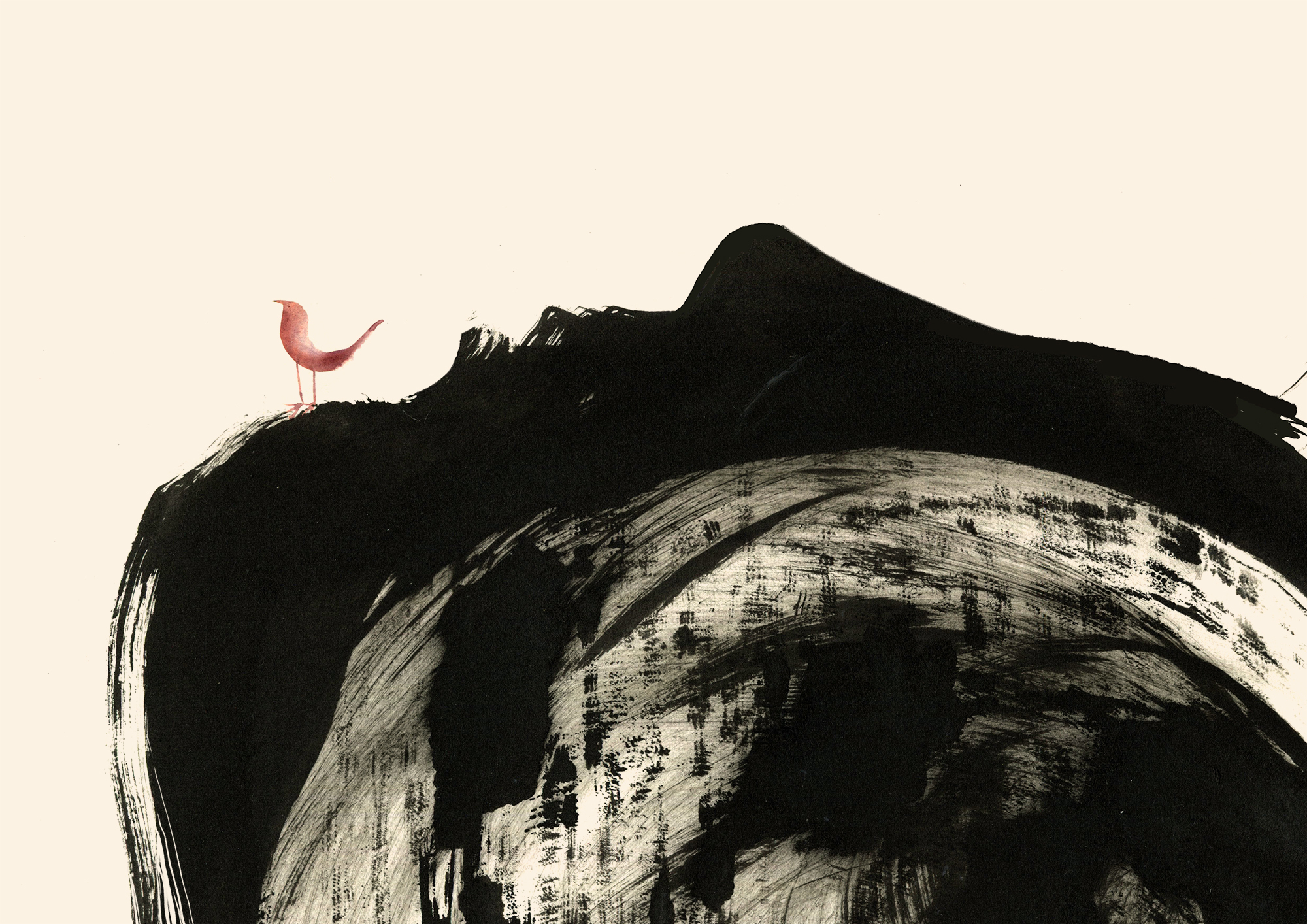
Oh to be alive in these times and not be crushed by its horror and absurdity!
As we spiral into another year, weary and already exhausted, what is left to say that has not already been said?
Perhaps we could ask: what is the story of our times? Will it be the age of depravity, the great unravelling, or the times when we found each other and remembered what mattered?
One thing is certain, the times are not for hiding. In the chaos, Toni Morrison once said, we may find knowledge, even wisdom. While the world was bruised and bleeding, she insisted we not turn away from its pain, and it was critical we not succumb to its malevolence.
In the light of her wisdom, we want to go back to our roots, to why we started this conversation in the first place: to work through art, and to work artfully.
This means we don’t want to provide analysis so much as reflection. We are not looking for answers, we want to ask better questions. We are not looking for solutions, we are looking for cracks, openings, invitations.
To meet this year, we shall not face the dark forces head on, we will not try to reason with them, we will not expect evil to get less evil. We may usher them towards their own destruction, but we shall do so with cunning, with mischief. We shall be tricksters.
Where they seek only destruction, we shall focus on creation. Where they seek to divide us, we shall celebrate our differences. And as an unexpected AI partner recently offered, “we will not hide from surveillance, we will dance in the shadows.”
With this in mind, here are some thoughts and questions that will guide us as we course through the year:
In a world that encourages us to outsource our thinking to the machines, we will focus again on what we previously referred to as liberatory practices: the art of thinking, of listening and of reading.
Where our leaders seek only to divide us, how do we refuse integration, which Achille Mbembe says makes us ‘indifferent to difference,’ while standing shoulder to shoulder with each other to face those who seek to harm us all?
In an era of growing repression, what forms of creative resistance and solidarities can we practice, moving beyond protest-shout-like? While outrage and anger may awaken some to act, they are not tools or strategies, in the long run they only lead to despair and exhaustion.
How can we spread but be shapeless, ungraspable? And can we practice what writer Viet Thanh Nguyen calls ‘expansive solidarities and capacious grief’?
We will look at how we can liberate ourselves from – and subvert – existing technologies, including AI, in order to support collective enhancements and liberation, not just extract or replace the human altogether.
Instead of trying to be analysts, entrepreneurs, influencers, or activists, how can we be explorers, where we understand our responsibilities towards the world and towards each other, with care, lightness, and trust, as lovers, as gardeners, as keepers?
In a world of great loss, how do we discern between giving up and letting go?
Finally, how do we continue to create beauty when our leaders seem intent on dragging us into their deathworlds?
While we can't respond to every crisis that unfolds, at least not adequately, we can ensure that when we do, we do so as weavers, where we connect the threads between struggles, between people, between ideas. In the end, what matters most now is how we show up for each other, and this might be the only thing we have any control over.
To help us along the way, we will continue to share poetry, definitely more music, and other art, as this is not only fuel, but it is our armour, our weapon. As Albert Camus said, where tyranny divides, art unites.
We will end this first post with the full poem, from the Elders of the Hopi Nation Oraibi.
To My Fellow Swimmers:
Here is a river flowing now very fast.
It is so great and swift that there are those
who will be afraid, who will try
to hold on to the shore.
They are being torn apart and
will suffer greatly.
Know that the river has its destination.
The elders say we must let go of the shore.
Push off into the middle of the river,
and keep our heads above water.
And I say see who is there with you
and celebrate.
At this time in history,
we are to take nothing personally,
least of all ourselves,
for the moment we do,
our spiritual growth and journey come to a halt.
The time of the lone wolf is over.
Gather yourselves.
Banish the word struggle from your attitude
and vocabulary.
All that we do now must be done
in a sacred manner and in celebration.
For we are the ones we have been waiting for.
Words, Veronica Yates and illustration, Miriam Sugranyes
“No Place for Self-Pity, No Room for Fear,” Toni Morrison, The Nation, 23 March 2015. Read here.
‘The Society of Enmity,’ Achille Mbembe, Radical Philosophy. Read here.
Viet Thanh Nguyen at ‘Voices for Gaza,’ New York City Town Hall, 21 September 2025.
‘The Human Crisis,’ Albert Camus, speech at Columbia University on 28 March 1946. Read here.
‘To My Fellow Swimmers’ the Elders of the Hopi Nation Oraibi, Arizona, in Perseverance, by Margaret Wheatley.

“We must laugh in the face of our helplessness against the forces of nature — or go insane.” — Charlie Chaplin


“The limits of my language means the limits of my world.”― Ludwig Wittgenstein

“We are asked to love or to hate such and such a country and such and such a people. But some of us feel too strongly our common humanity to make such a choice.”— Albert Camus

“People demand freedom of speech as a compensation for the freedom of thought which they seldom use.” — Soren Kierkegaard

“Either way, change will come. It could be bloody, or it could be beautiful. It depends on us.” ― Arundhati Roy


