
By clicking “Accept All Cookies”, you agree to the storing of cookies on your device to enhance site navigation, analyze site usage, and assist in our marketing efforts. View our Privacy Policy for more information.
“In a world of insanity, it is the strong that go crazy; and it is the weak that just go along.” — Assata Shakur


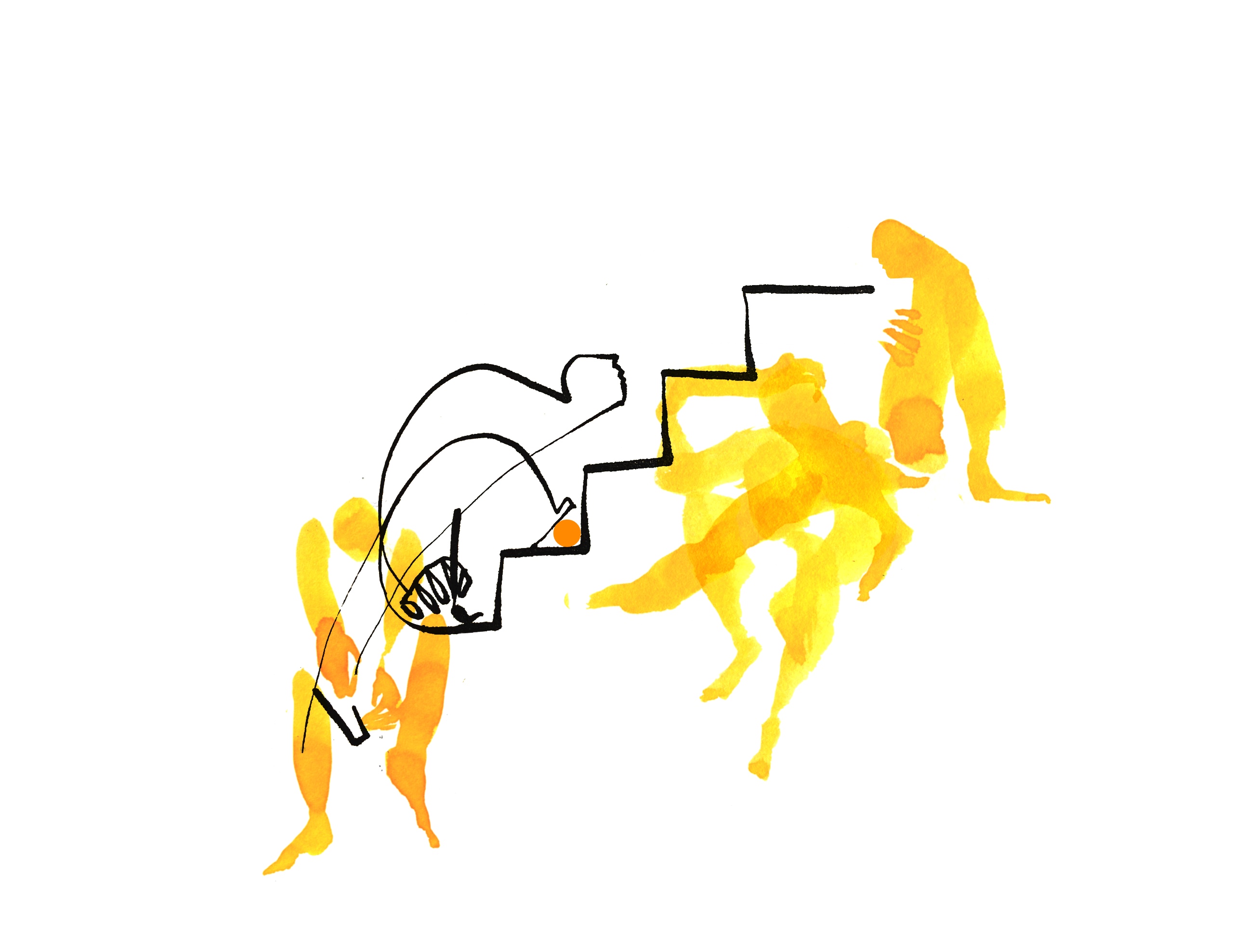
It would be an understatement to say that we are currently being ruled by idiots.
While we can laugh at their idiocy (and should for much needed comic relief), we should be warned that having stupid people in charge is more dangerous than having evil people in charge; evil can be faced and resisted, whereas the stupid cannot be persuaded.
The most common way that we tend to face idiots, however, is by giving them more facts. While that might work for someone who is ignorant, idiocy is not an absence of knowledge, it’s the refusal to learn, an inability to apply knowledge, to make good judgement and as Socrates suggested, an inability to recognise one’s own ignorance.
However, finding ourselves in a world where idiots are in charge is not accidental and doesn’t just happen suddenly, it takes a village. It is especially the case in countries where people have a say in who leads them, but are too asleep to pay attention. It is also not unique to our current times, we should see this rather as cyclical, as a recurring phenomenon.
The rise of idiocracy has been observed and theorised throughout history by philosophers, psychologists and writers and often indicates the fall of an empire. In Plato’s Republic, this was observed when critical thinking vanished, mob rule took over, and facts and opinions became indistinguishable; the idiot leaders sow chaos and the populace believe in magical thinking.
Unfortunately, it is not that difficult for stupid people to get to powerful positions, nor to maintain them. The Dunning-Kruger effect describes how incompetent people can rise to powerful positions, and how through sheer confidence, they can convince people of their worth. Most of us still defer to those in power and believe that if they are there, it must be because they deserve it.
In The Prince, written almost 500 years ago, Niccolò Machiavelli described how a leader can maintain power by fooling people, without requiring competence, intelligence or goodness. A leader just needs to be able to pretend to be good when necessary, appearance is more important than their true character. Honesty and morality, he suggested, were obstacles to power, they are a sign of weakness. Lying should be done boldly. Deceit and scheming were acceptable tactics. It worked, he insists, because there are always enough people willing to be deceived.
While his true intentions in writing this treatise were not known, some philosophers saw it as a cynical manual for evil (hence ‘machiavellian’), others saw this as satire, others yet as a way to uncover the tactics of the despot in order to undo them.
Regardless of his intentions, perhaps what is important today is not so much to diagnose idiocy, rather to understand how our system nurtures it. Because rest assured, it is not just amongst our leaders that idiots are roaming: most of us have the potential to be idiots, are often useful idiots, and many of our responses to crises in the world, might also be idiotic.
It seems indeed that we have gone from homo sapiens, to homo idioticus.
Studies from western countries are indicating that over the past several decades, people are becoming less intelligent, marked by lowering IQ, growing illiteracy, an inability to perform basic math and reading tasks, and a lack of critical thinking. While there is growing evidence that our overuse of technology contributes to our stupidification, it would be too simplistic to just blame technology.
Beyond just celebrating anti-intellectualism, leaders are manufacturing stupidity, they are committing menticide, the murder of the mind. Writer and activist Tariq Ali says that this has primarily been done through education, which he has observed in English speaking countries and Germany, where subjects like history and literature are being attacked and curricula increasingly controlled. “Stupidity is being encouraged by the state,” he says, “and only a very stupid state would do that because it refuses to look at the future and what the future might hold.” How else can they convince their young people to go die in pointless wars?
Another tactic, Ali explains, is the growing control of the media. Not only are more outlets owned by a smaller number of people, but journalists are no longer allowed to ask real questions or help people understand, they have to tow the line, feed propaganda lies and encourage binary thinking.
Sowing fear is also a crucial tactic. When people are scared, and increasingly lonely, it’s much easier to convince them they need to defer to a strongman who can act decisively. For the strongman diplomacy is weakness, listening a waste of time. To the useful idiot, quick action is courage, and opinions, no matter how vile, show integrity. Is it any wonder then, that people can believe you can carpet bomb a country to liberate its women?
An idiot society is an unthinking society. This is what Hannah Arendt wrote in Eichmann in Jerusalem with what she referred to as the banality of evil, her point was that evil acts are most likely perpetrated not by someone who is intrinsically evil, but by someone who conforms, who follows orders; through thoughtlessness.
While it would be easy to sit atop our thrones reassuring ourselves that we, at least, are not idiots, this is not so. There are many ways that our reactions and responses to what is unfolding in the world, whether it is our denial, our desperate grasping of the status quo, our refusal to think deeply and to imagine alternatives, while perhaps not idiotic, are certainly not wise.
Words, Veronica Yates and illustration, Miriam Sugranyes
The Republic, Plato.
The Prince, Niccolò Machiavelli.
‘The Rise of Homo Idioticus: Are We Getting More Stupid?’ Cezary Pietrasik, Psychology Today, June 5, 2025. Read here.
‘Are we living in a golden age of stupidity?’ Sophie McBain, The Guardian, 18 October 2025. Read here.
‘Exposing the Lies of the 20th Century, Tariq Ali with Aaron Bastani,’ on Downstream, Novara Media, 18 January 2026. Watch here.
Eichmann in Jerusalem: A Report on the Banality of Evil, Hannah Arendt.
The Idiot, Fyodor Dostoevsky.
Doppelganger: A Trip into the Mirror World, Naomi Klein.
‘Personal Responsibility Under Dictatorship,’ Hannah Arendt.
My Seditious Heart, Collected Nonfiction, Arundhati Roy.
The Myth of Sisyphus, Albert Camus.
Empire of Illusion, The End of Literacy and the Triumph of Spectacle, Chris Hedges.
‘Stupidity: My Reading List for a 12-Week Course (and a Final Exam),’ By Ted Gioia
View here.

“Our strategy should be not only to confront empire, but to lay siege to it. To deprive it of oxygen. To shame it. To mock it. With our art, our music, our literature, our stubbornness, our joy, our brilliance, our sheer relentlessness – and our ability to tell our own stories. Stories that are different from the ones we’re being brainwashed to believe.” — Arundhati Roy
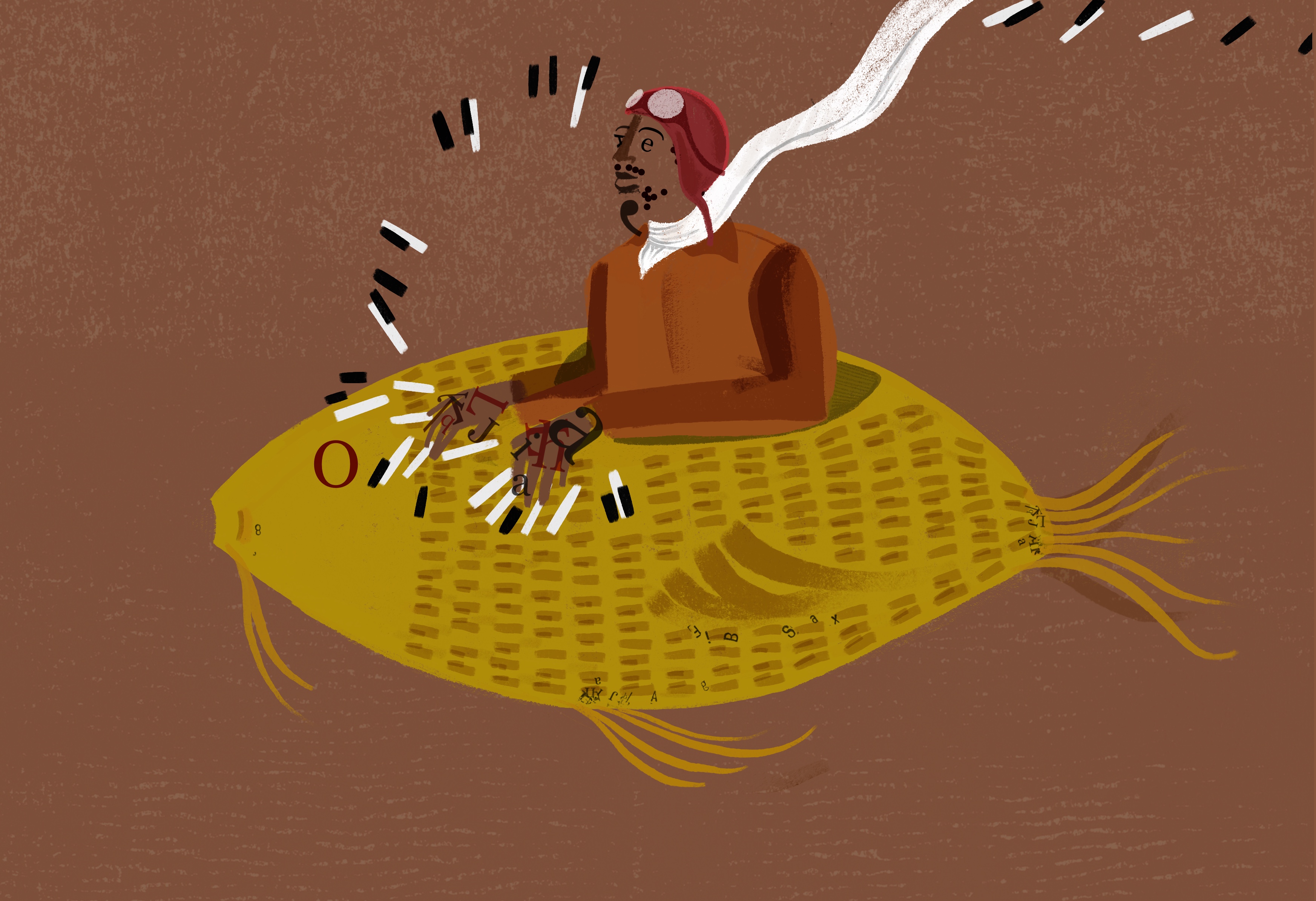
“But if you look at insurgencies around the globe in the last 200 years, there’s not a single one that doesn’t have its poetry. Just show me a movement that doesn’t have its poetry. If you show me one, I will eat my computer.” — Robin D.G. Kelley

“We shape ourselves to fit this world, and by the world are shaped again.” — David Whyte
“Our strategy should be not only to confront empire, but to lay siege to it. To deprive it of oxygen. To shame it. To mock it. With our art, our music, our literature, our stubbornness, our joy, our brilliance, our sheer relentlessness – and our ability to tell our own stories. Stories that are different from the ones we’re being brainwashed to believe.” — Arundhati Roy

“In the depths of winter, I finally learned that within me there lay an invincible summer.” — Albert Camus
“Out beyond ideas of wrongdoing and rightdoing, there is a field. I’ll meet you there.” — Rumi


