
By clicking “Accept All Cookies”, you agree to the storing of cookies on your device to enhance site navigation, analyze site usage, and assist in our marketing efforts. View our Privacy Policy for more information.
“To designate a hell is not, of course, to tell us anything about how to extract people from that hell, how to moderate hell’s flames.” — Susan Sontag


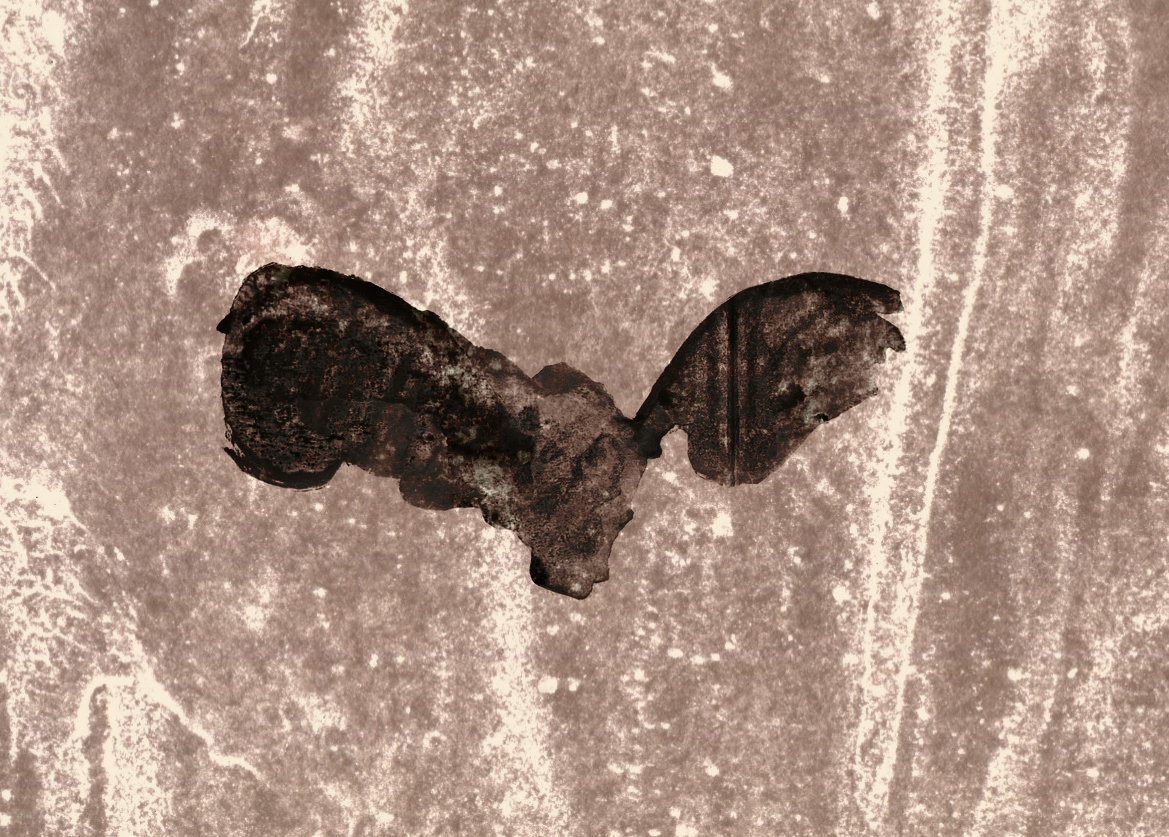
We have for long believed that if we can show images of horrors being perpetrated onto a people, if viewers can be shocked, then they would see the madness that is war and something would be done to stop it.
In Regarding the Pain of Others, Susan Sontag asks whether watching sites of suffering leads to a deeper engagement with issues, and therefore to action, or whether it simply turns suffering into spectacle.
During the Vietnam era, the first war to be televised, war photography became normatively a criticism of war, she explained. It was believed that because images of horrors reached people’s living rooms, anti-war efforts eventually succeeded.
But this changed, Sontag wrote, with war propaganda, censorship and self-censorship, as well as journalists and institutions carefully deciding what can and cannot be shown, with varying levels of dignity accorded to people based on where they are from (enter the starving African baby, the angry Arab man, and the white aid worker to save the day).
However with mobile phones now in every hand, keeping horrors of war hidden from people, would become impossible. Images showing American soldiers torturing Iraqi captives and taking selfies spread the world over. While there was some performative accountability to save face, restoring dignity to the victims was never the point. Today, the same images of cruelty are so commonplace, most people don’t bat an eyelid.
As Sontag noted, mounting levels of acceptable violence and sadism are ever present in mass culture, from films, television, comics, to computer games, leading one to wonder whether the normalisation of violence, whether fact or fiction, has led us to become more tolerant of watching people’s suffering.
Many people, of course, choose to look away. One could argue that if there is a belief that nothing can be done about a situation, why even bother to look? Sontag suggests that many people look away out of helplessness and fear. War appears as though it can’t be stopped, and this makes us less responsive. Compassion is an unstable emotion, she says, which can whither if not translated into action.
What if, she wonders, the only people with the right to look at images of extreme suffering are those who could do something to alleviate it, like a surgeon, or those who could learn from it? What if the rest of us are voyeurs, whether we mean to be or not?
On the one hand, we might argue that it is our responsibility, perhaps even our obligation, to look at the images someone risked their lives to bring us. Sontag also believes that the images perform a vital function, which is to not forget that this is what human beings are capable of inflicting on another, enthusiastically and self-righteously. But what does it do to us?
Since the Gaza genocide unfolded, censorship and propaganda have reached Orwellian levels. From buying up entire platforms to manipulating algorithms, the machine is working overtime. The media owners and the warmongers are not just trying to control what we see, but are actively attacking the messengers through any means their power can buy.
However, no amount of control and repression will make us unsee what we saw, or make us give up seeking out the truth and calling for justice. For many of us, looking at the images of horrors being inflicted on the Palestinian people became not just a way to bear witness (‘yes our leaders are trying to erase you, but we see you’) but also as a form of resistance, a way to collect evidence for memory and for future accountability.
Yet, if everyone is collecting evidence, filming an event, an assault, but nobody intervenes to stop the assault, are we not just witnesses to history, without being present in it?
If looking at the images doesn’t lead to action, is there a point to this witnessing, is it enough to just feel for them? Is there also a risk that the more images we view, the more helpless we feel and therefore the more paralysed we become? Are we not also then, spectators of their suffering?
Sontag suggested that when we feel sympathy for people’s suffering, we feel like we are not accomplices to what caused the suffering, “our sympathy proclaims our innocence.” I was a witness, I liked their post, therefore, I am not complicit.
Questioning the gap between seeing and acting, Tania Shoukair says that as watchers, our “risk-free offerings of help—which today can be summarised as mutual aid, protests with permits, and social media reposts—are a calculated, albeit often unconscious, strategy.” It gives us the right dose of moral indignation without us having to give up anything of real material substance.
For people facing war and genocide, bearing witness is an action, one which increasingly leads to an almost certain death. For us, the question remains open.
Words, Veronica Yates and illustration, Miriam Sugranyes
Regarding the Pain of Others, Susan Sontag.
‘On The Disembodiment of “Bearing Witness” To Injustice In West Asia (fka The Middle East),’ Tania S. Shoukair, The Deep Knowing, 19 April 2026. Read here.
The Disasters of War, Francisco Goya. See here.
Three Guineas, Virginia Woolf.
‘Permission to narrate,’ Edward Said, The London Review of Books, Vol. 6 No. 3 · 16 February 1984. See here.
Trauma Stewardship: An Everyday Guide to Caring for Self While Caring for Others, by Laura van Dernoot Lipsky and Connie Burk.
Restoring Sanity, Practices to Awaken Generosity, Creativity and Kindness, Margaret Wheatley.

“Art can die; what matters is that it scatters seeds on the ground … we shouldn’t care whether it remains as it is, but rather whether it sets the germs of growth, whether it sows seeds from which other things will spring.”— Joan Miró

“Diego had never seen the sea. His father took him to discover it. . . . And so immense was the sea and its sparkle that the child was struck dumb by the beauty of it. And when he finally managed to speak, trembling, stuttering, he asked his father: “Help me to see!””— Eduardo Galeano, The Function of Art I
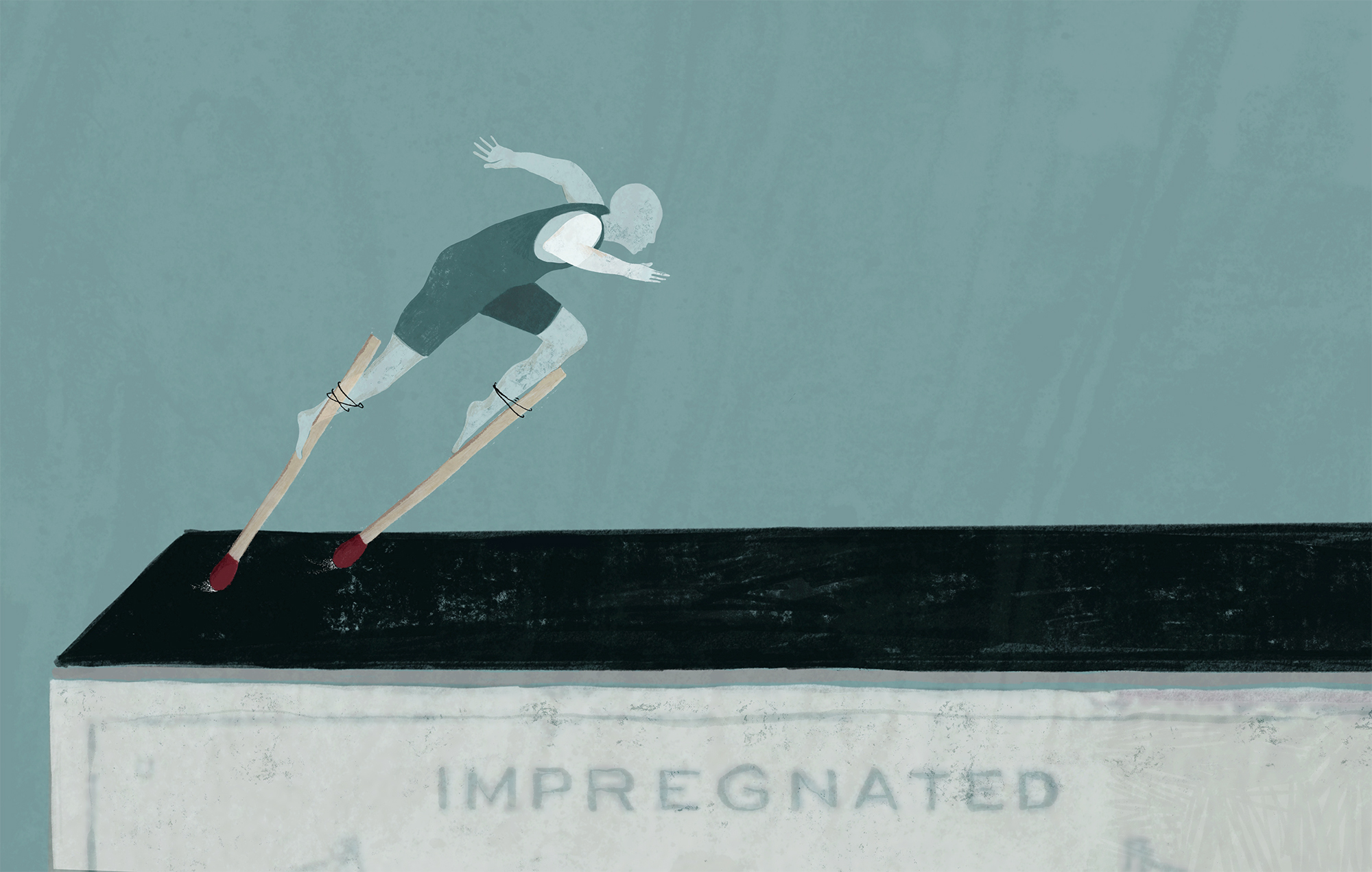
“A civilization that proves incapable of solving the problems it creates is a decadent society; A civilization that chooses to close its eyes to its most crucial problems is a sick civilization. A civilization that plays fast and loose with its principles is a dying civilization.” — Aimé Césaire

“Vocabulary is not genocidal. Annihilation is.” — Mohammed El Kurd
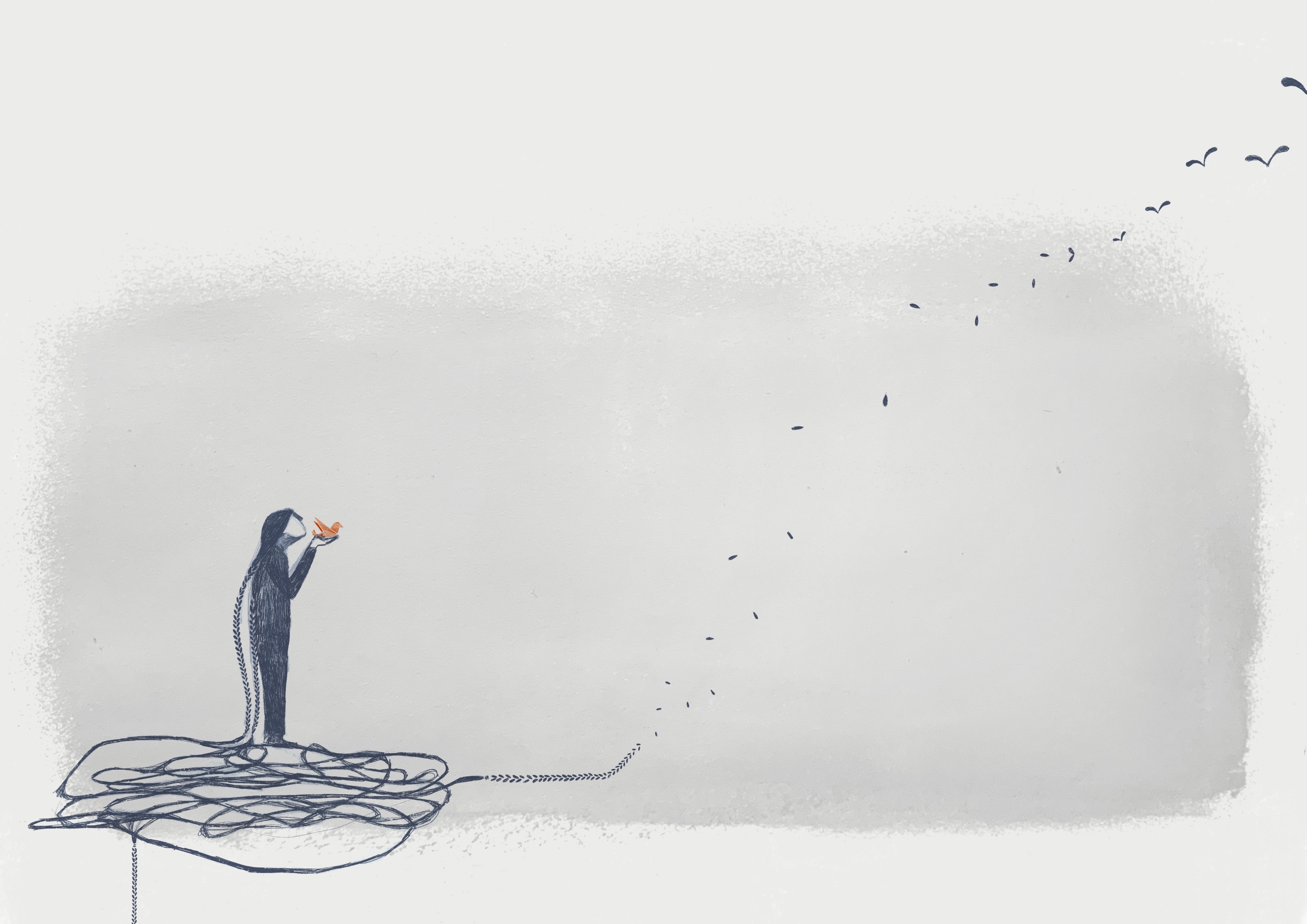
“Do you know the legend about cicadas? They say they are the souls of poets who cannot keep quiet because, when they were alive, they never wrote the poems they wanted to.” ― John Berger
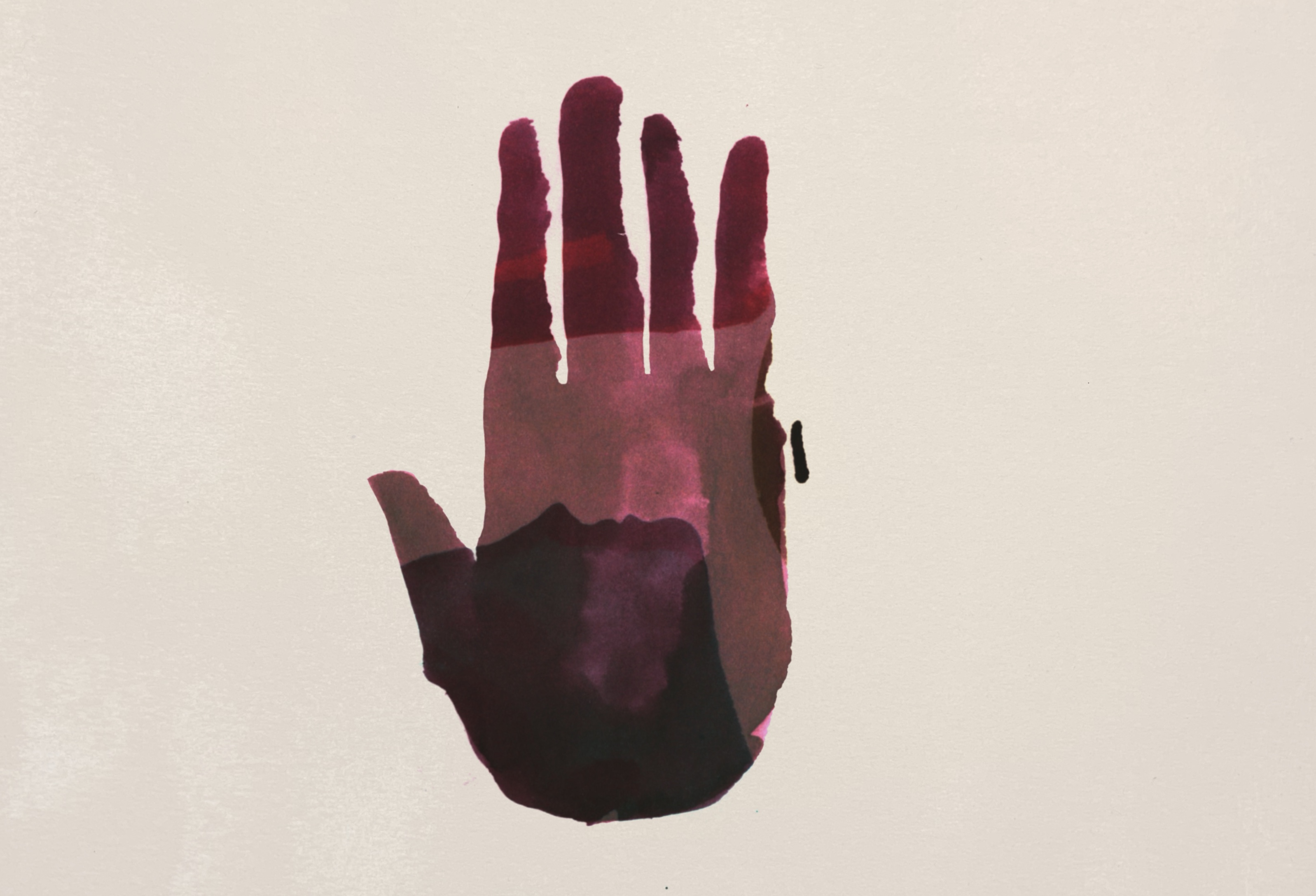
“The vicarious responsibility for things we have not done, this taking upon ourselves the consequences for things we are entirely innocent of, is the price we pay for the fact that we live our lives not by ourselves but among our fellow men, and that the faculty of action, which, after all, is the political faculty par excellence, can be actualized only as one of the many and manifold forces of human community.” — Hannah Arendt


